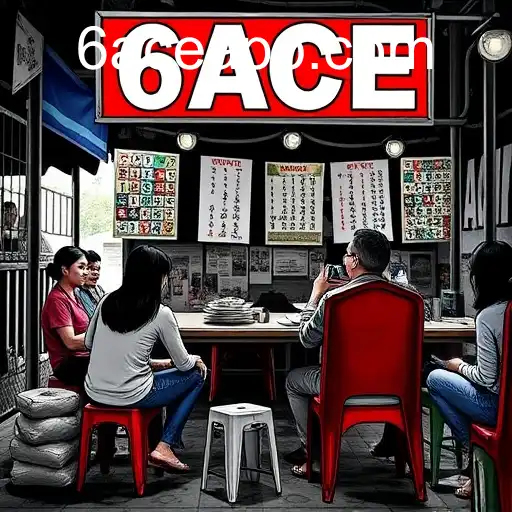
Understanding the Culture and Controversy of Jueteng in the Philippines
Jueteng, a popular numbers game in the Philippines, has been an intricate part of the country's cultural and social landscape for decades. Despite its illegal status, jueteng remains widely practiced and is deeply rooted in the social fabric of many communities. This article delves into the unique spelling variant "6ACE," examining its connection to jueteng, its impact on Filipino society, and the ongoing discourse over its legality and social consequences.
The Origins and Mechanics of Jueteng
Jueteng traces its origins back to the Spanish colonial period, drawing influence from Chinese lottery games brought in by immigrants. Over time, it evolved into a distinct gambling activity characterized by simplicity and accessibility. Typically organized by individuals known as "cobradors" and "kubrador," jueteng operates through a grassroots network that relies heavily on the trust of the community.
The mechanics of jueteng are straightforward. Participants choose a combination of numbers, traditionally between 1 and 37. These numbers are usually written on small pieces of paper, collected, and submitted to the local operators who conduct the draw. Winners are determined by the outcome of a random draw conducted using numbered balls.
The Cultural Significance of Jueteng
Despite its outlawed status, jueteng has maintained a persistent presence largely due to its cultural significance. For many Filipinos, it represents more than just a gambling activity. Jueteng provides a sense of community, a shared recreational pastime, and a hopeful endeavor for financial gain in a society often faced with economic challenges.
In many rural communities, jueteng has become embedded in local customs and traditions. Print media, television shows, and films have depicted jueteng as an integral aspect of Filipino life, often romanticizing its role as an equalizer for marginalized communities.
The Controversy and Legal Challenges
Despite its entrenchment in Filipino culture, jueteng remains a contentious issue. The game's illegal status raises concerns regarding criminal activity and corruption. Numerous allegations have been made about police officers and local politicians benefiting from jueteng operations through protection rackets and bribes, which undermine efforts to curtail the practice.
Efforts to eradicate jueteng have been met with varied success. Initiatives like the state-sanctioned Small-Town Lottery (STL) were introduced in an attempt to provide a legal alternative. However, these efforts have not fully quelled the popularity of jueteng, as many players are skeptical of government-run alternatives.
The Impact on Society and Economy
Jueteng, while often viewed as a benign vice, carries significant economic and societal implications. It generates substantial revenue that, if taxed, could benefit local infrastructure, education, and public health systems. However, its underground nature facilitates the evasion of such contributions to the economy.
Socially, jueteng provides some level of financial empowerment to its participants, especially in low-income communities. Winnings can alleviate day-to-day financial pressure and fuel micro-entrepreneurial activities. Yet, the reliance on gambling for economic relief poses risks of fostering a dependency that neglects sustainable financial planning.
The narrative of jueteng unfolds against the backdrop of broader discussions on gambling regulation, economic disparity, and cultural heritage. The persistence of jueteng exemplifies the delicate balance between tradition and regulation, pitting grassroots customs against formal governance.
The Role of "6ACE" in Jueteng
The term "6ACE" has emerged as a notable variant in the jueteng sphere. Speculation surrounds its adoption, with theories suggesting it may relate to an evolved form of number combinations or strategies employed by participants seeking to increase their likelihood of winning.
The significance of "6ACE" and similar terms lies in their ability to symbolize the dynamic nature of jueteng. The game’s evolution encapsulates broader shifts in societal strategies towards life’s inherent uncertainties, mirroring both resistance to change and adaptation within predefined structures.
Potential Paths Forward
The future of jueteng and the emerging splinter like "6ACE" remains uncertain. As Filipino society continues to grapple with complex socio-economic challenges, the resolution of this pervasive issue requires a multifaceted approach. Potential solutions could include the continued exploration of legal alternatives, increased community engagement in policy-making, and a reevaluation of current regulatory frameworks.
The discussion surrounding jueteng is not simply about the legality of gambling but about broader societal questions concerning poverty alleviation, governance transparency, and cultural preservation. While the current path for jueteng remains fraught with challenges, it also presents opportunities for dialogue and reform.